The Birth of Language
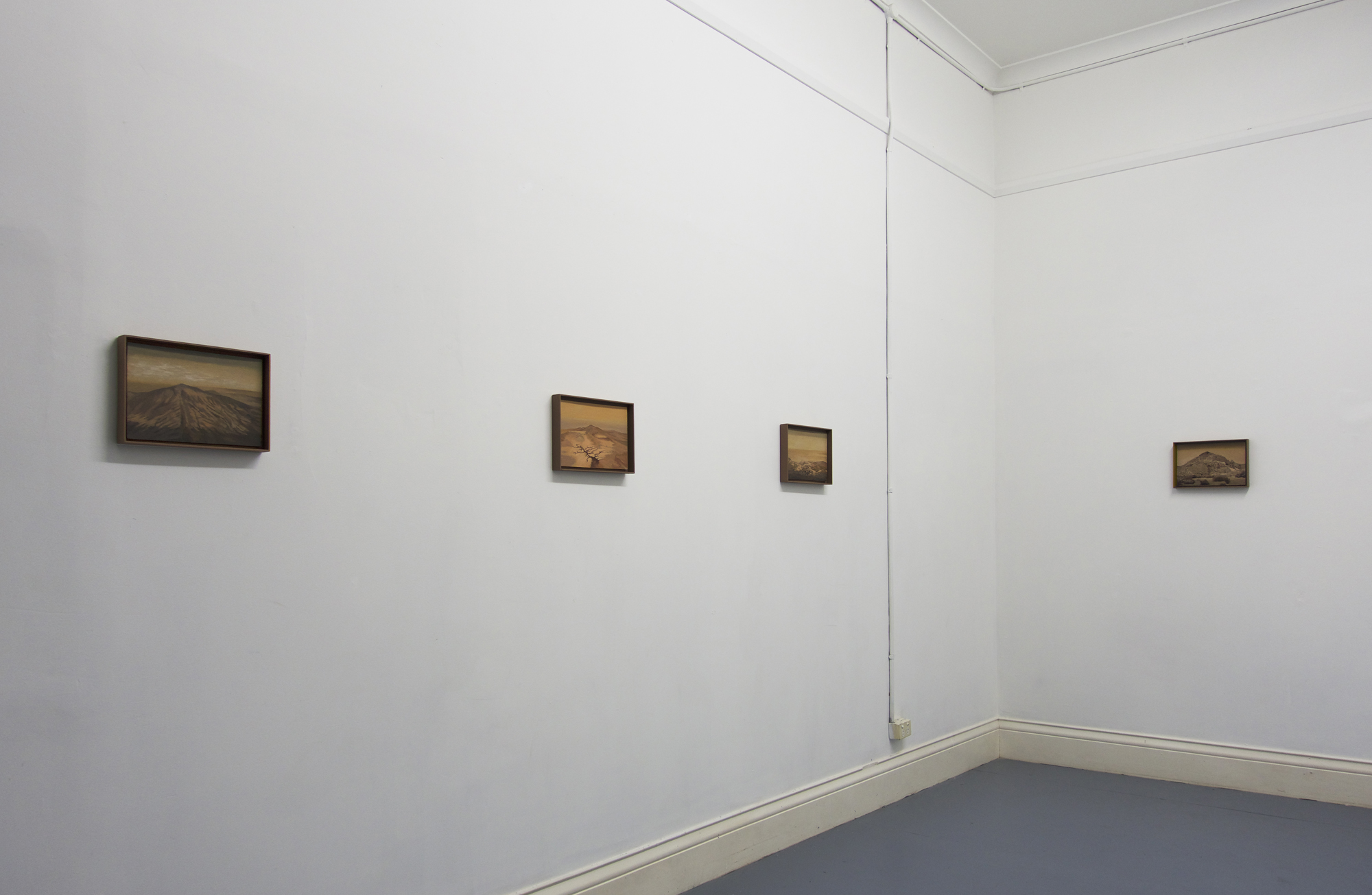
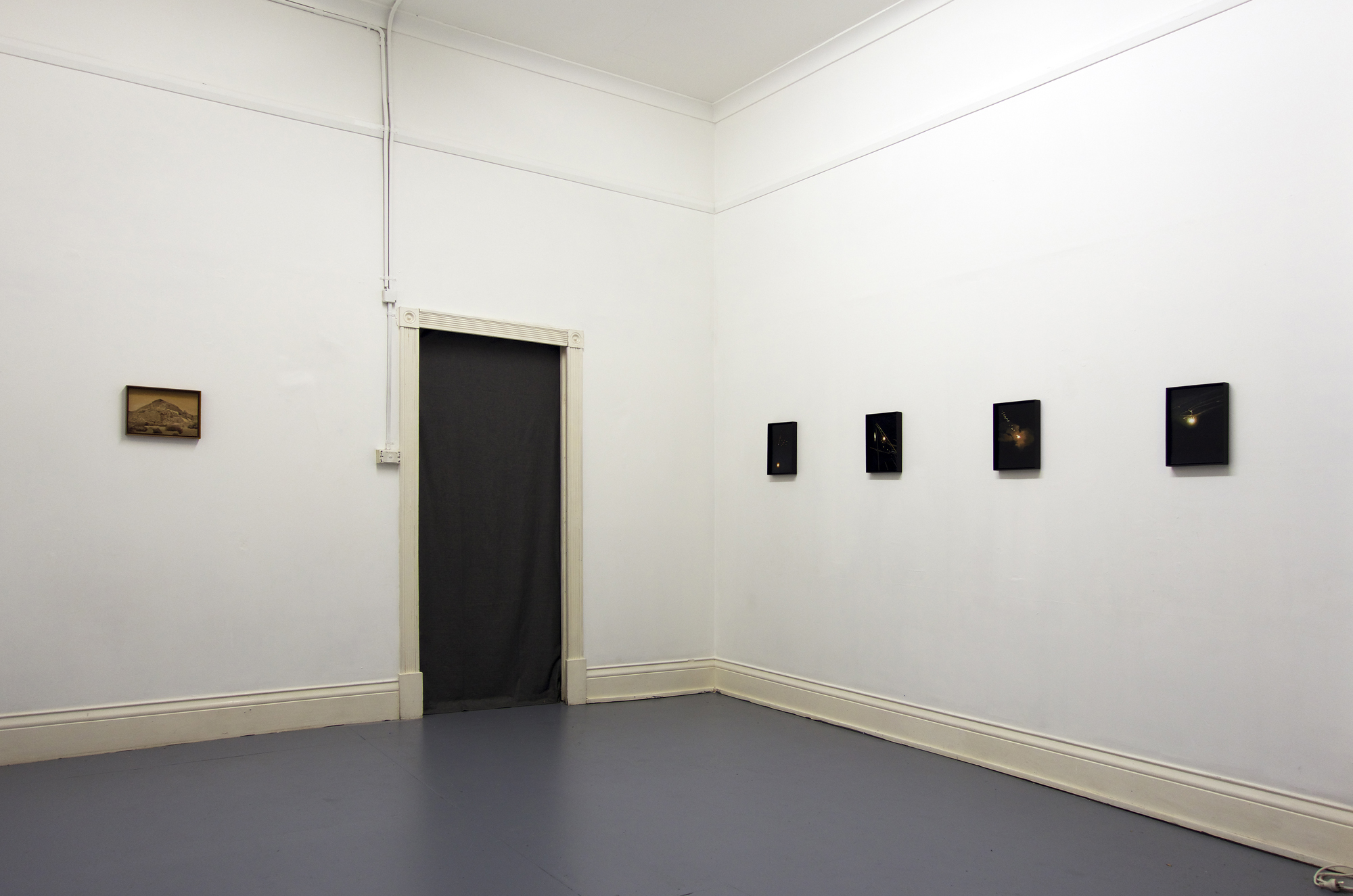
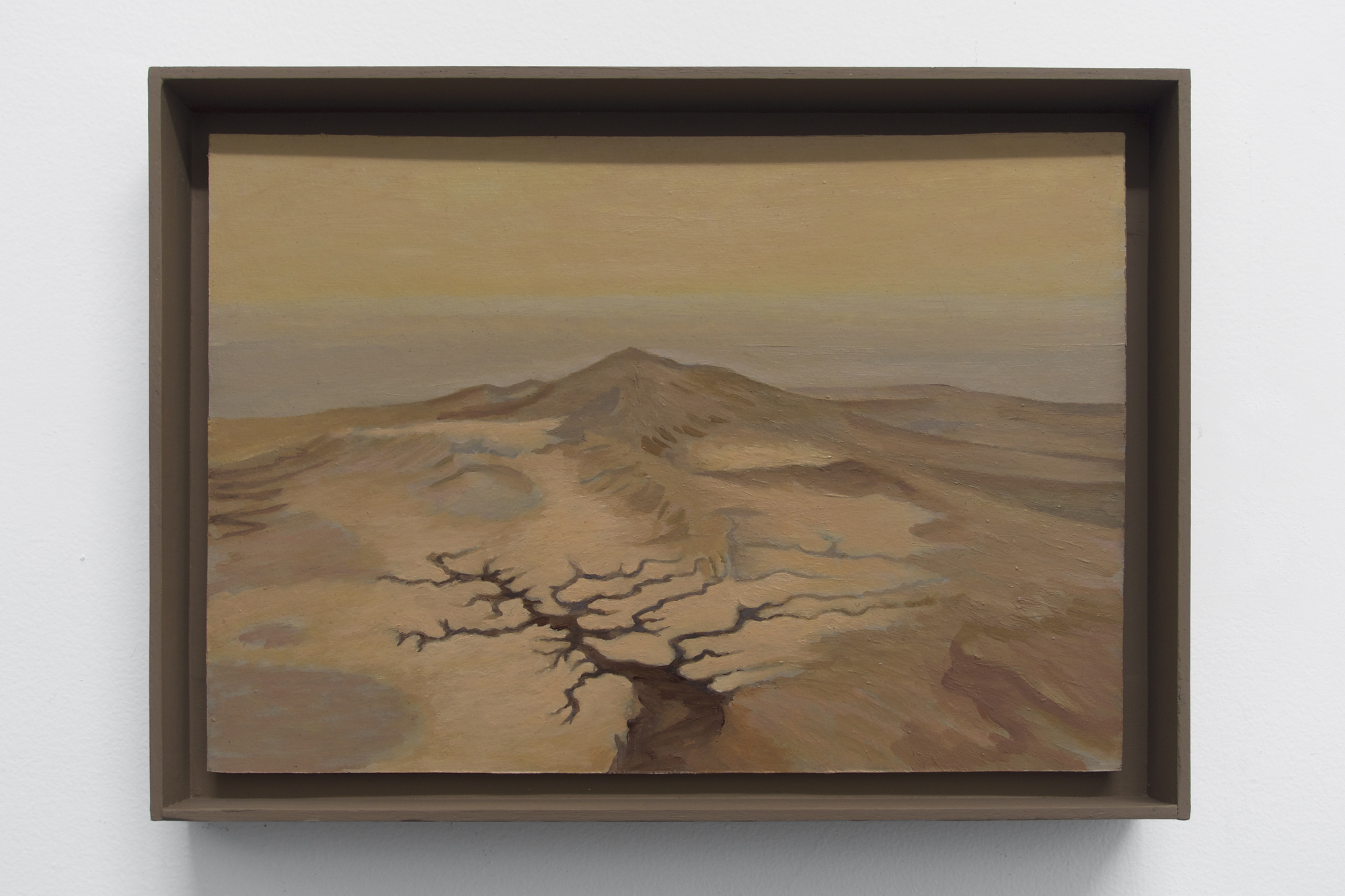
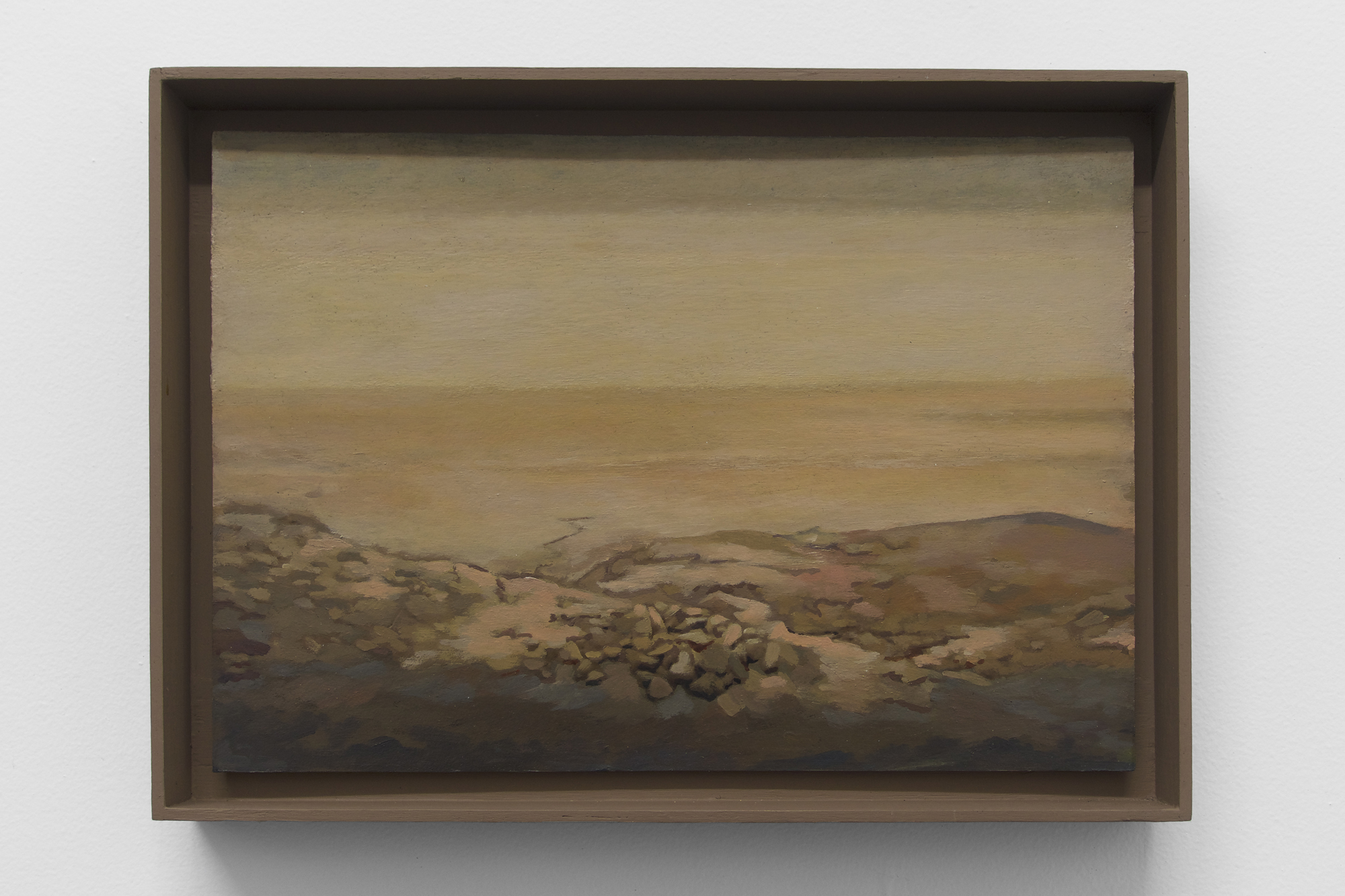
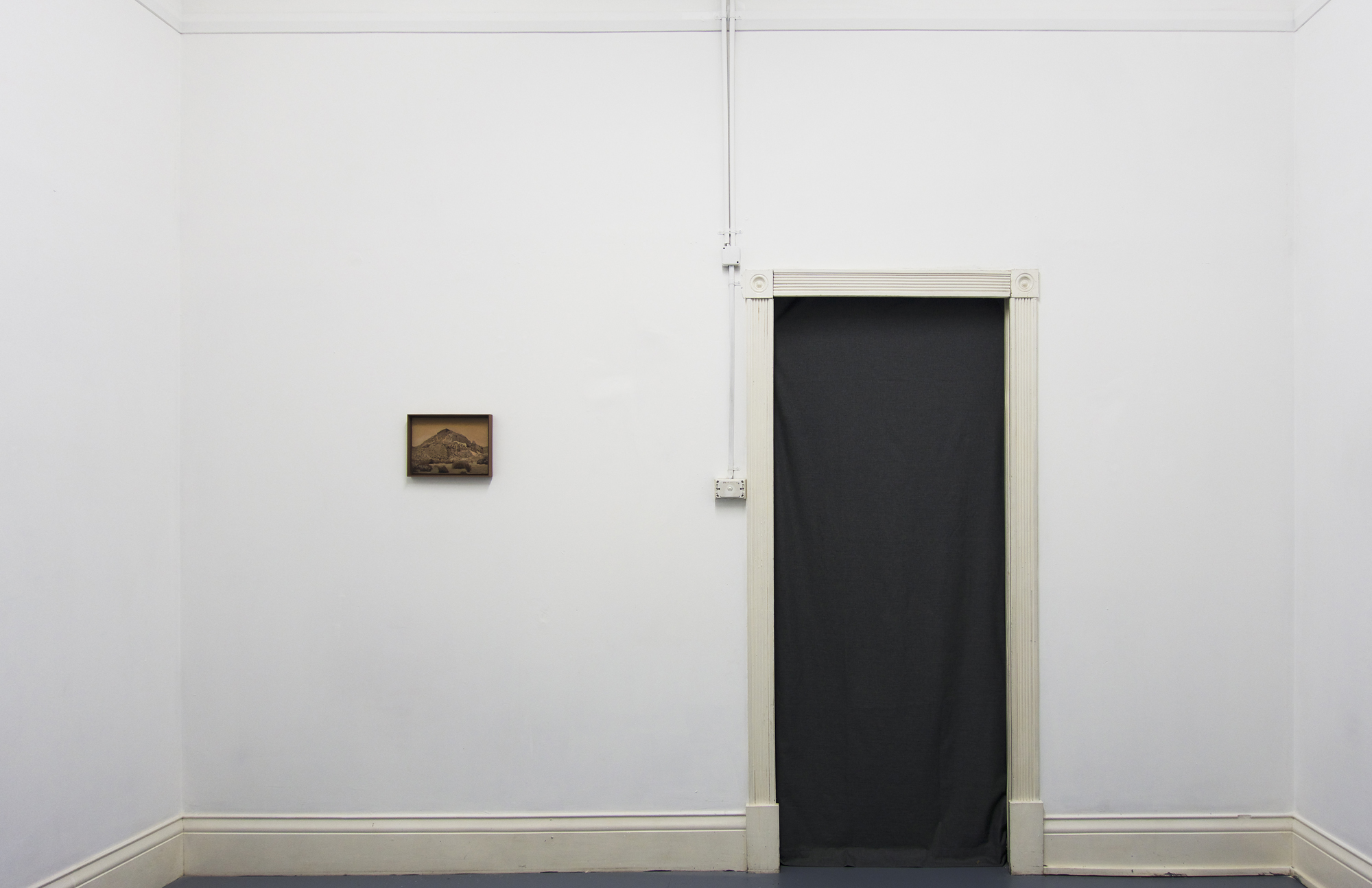
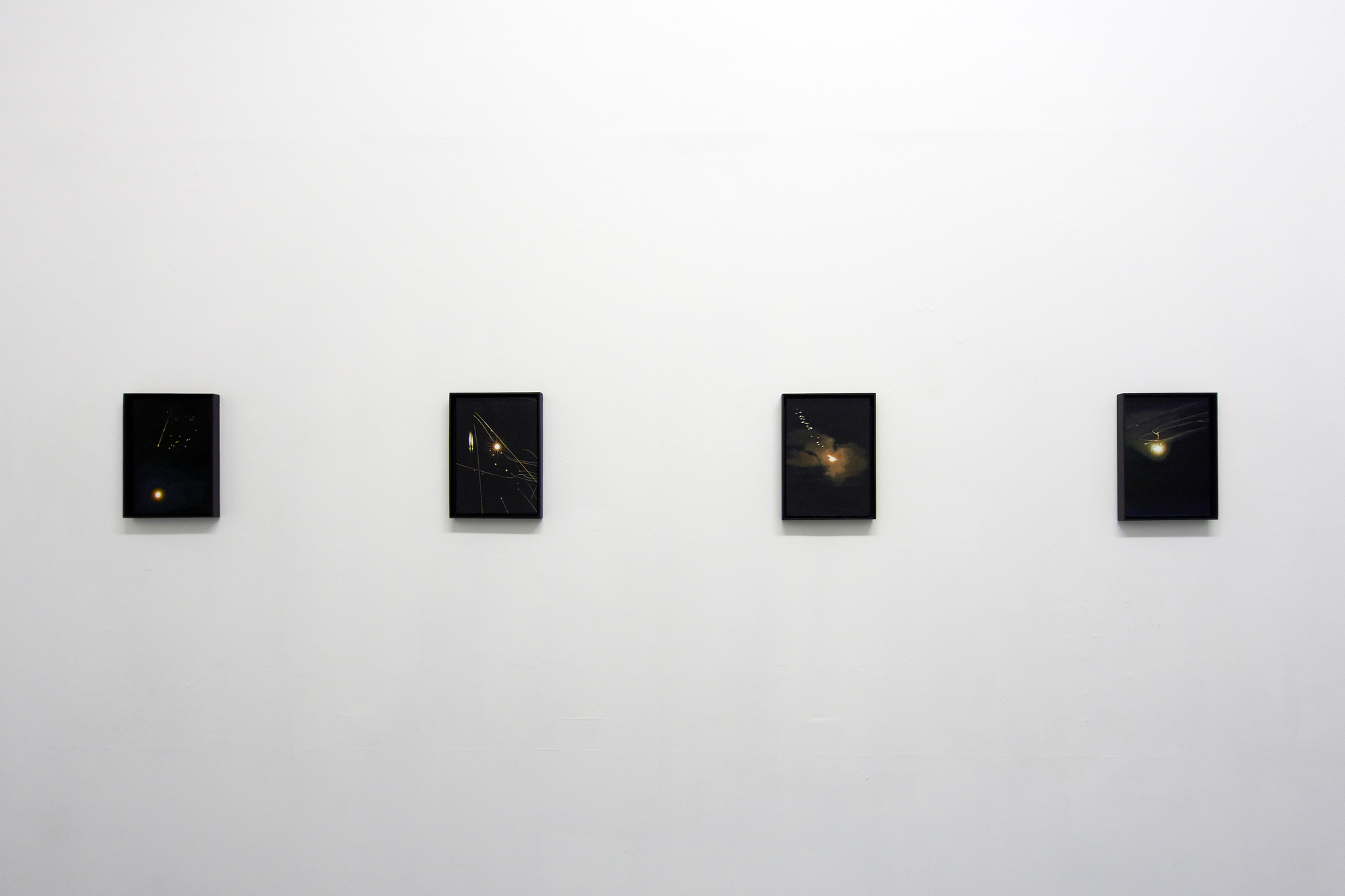
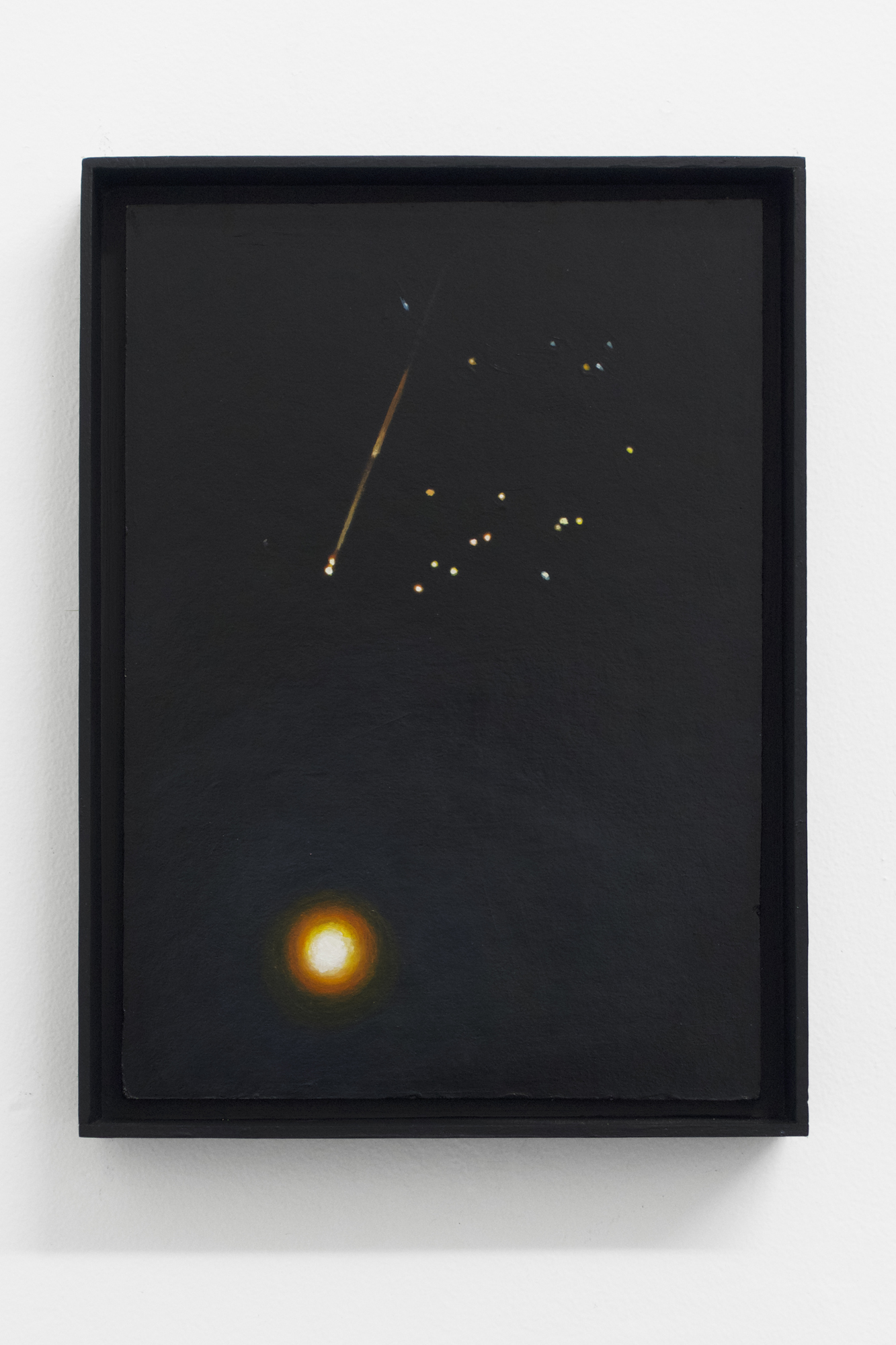
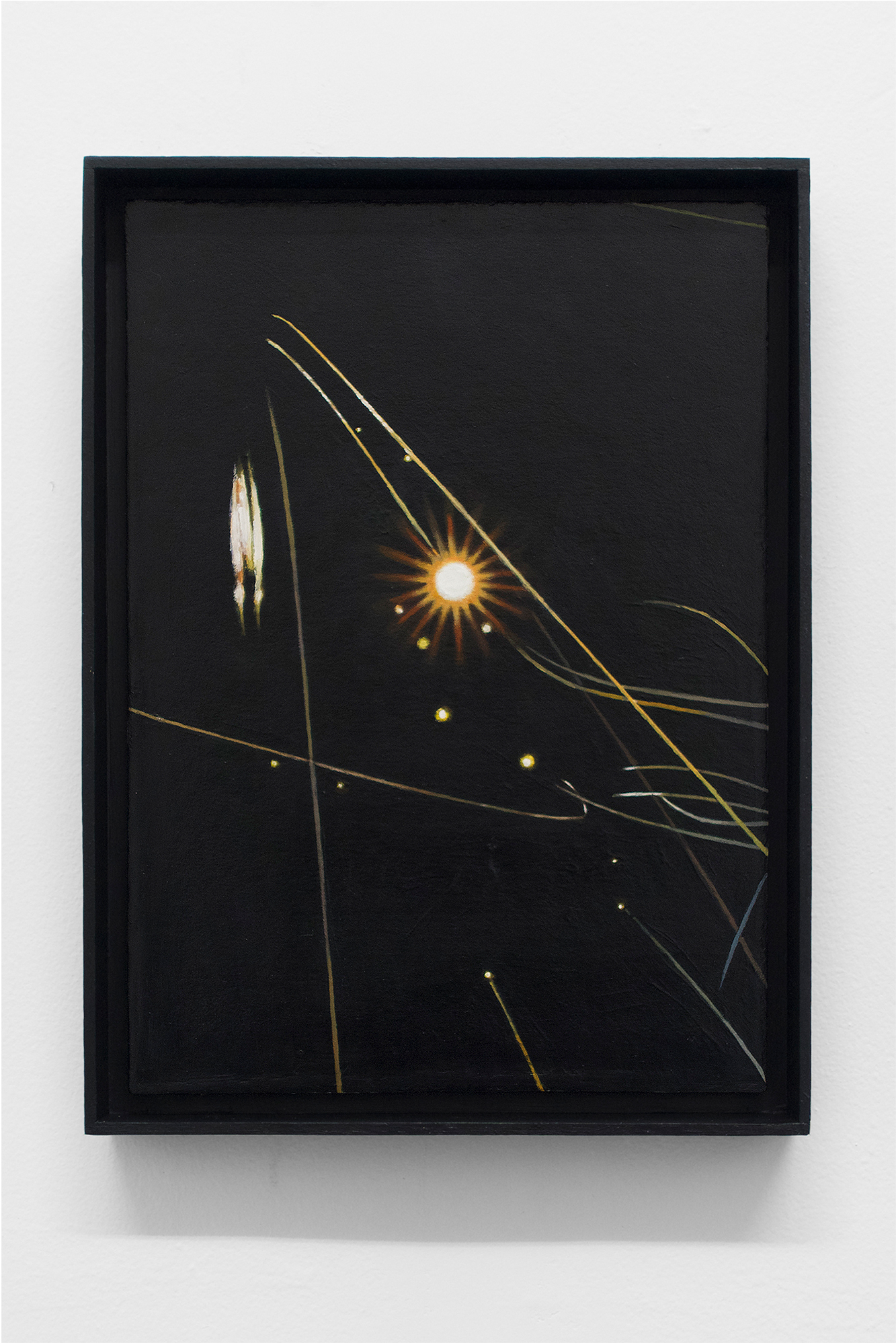
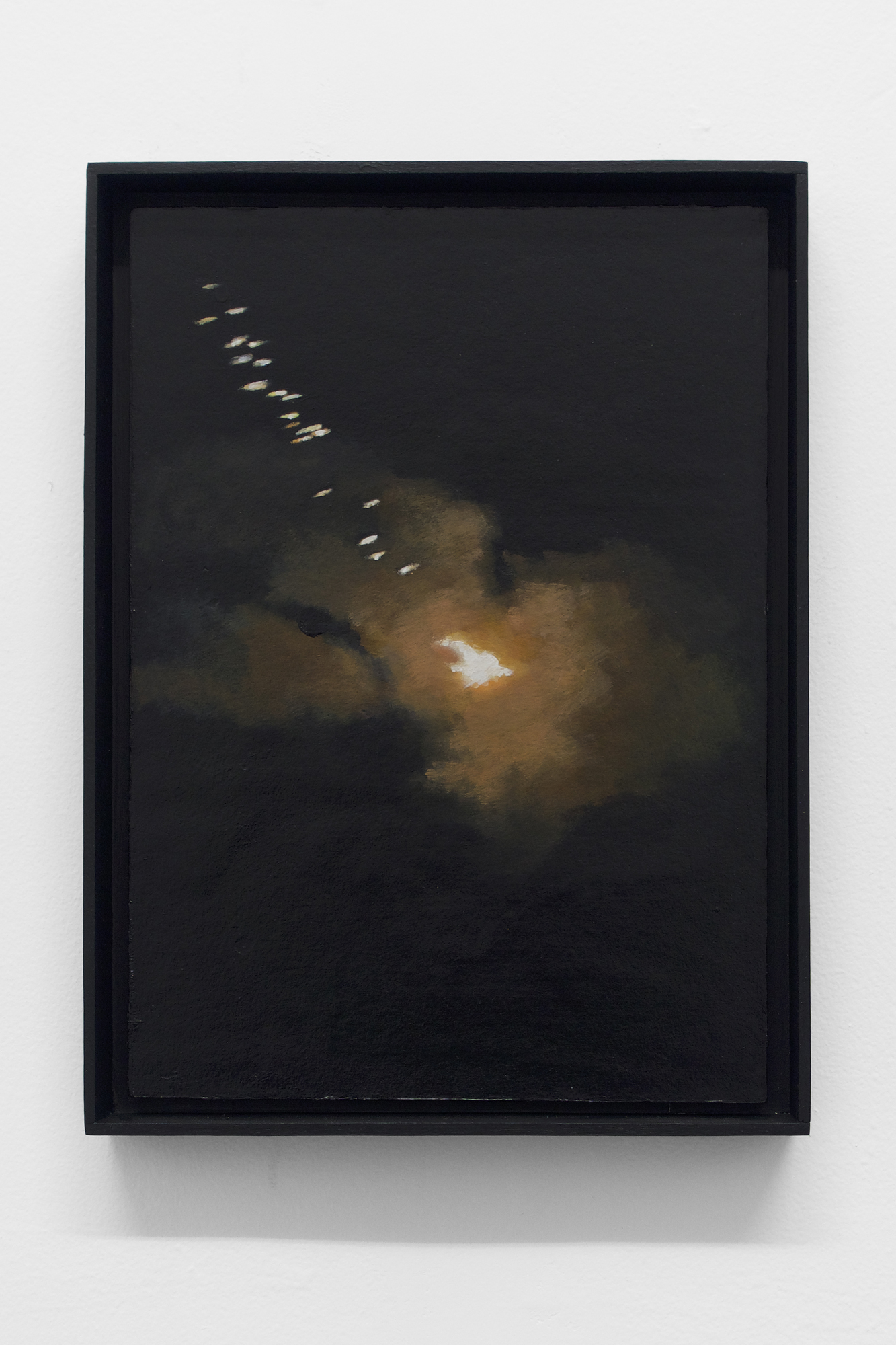
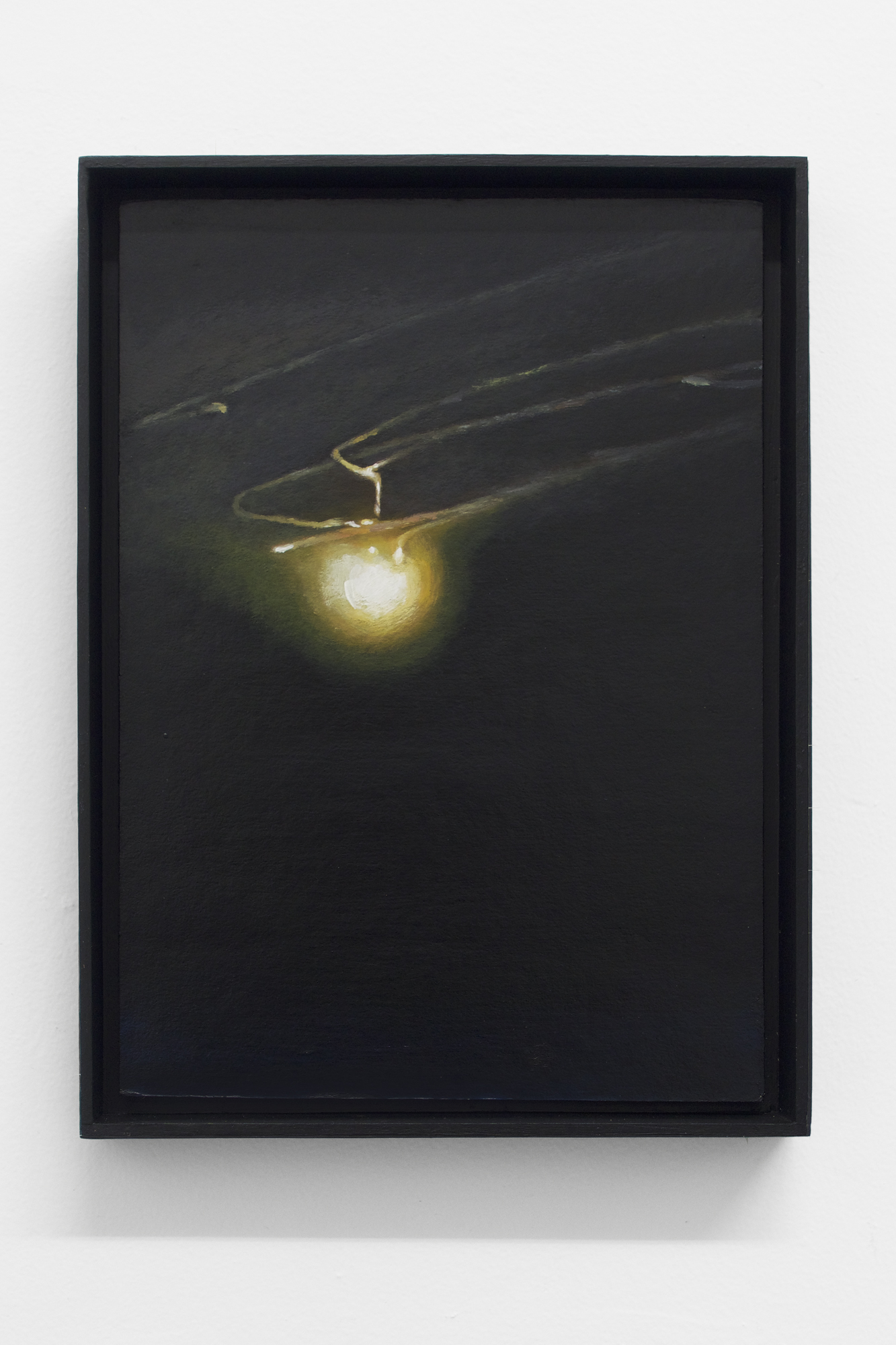
Alex Gawronski, The Birth of Language, 2026
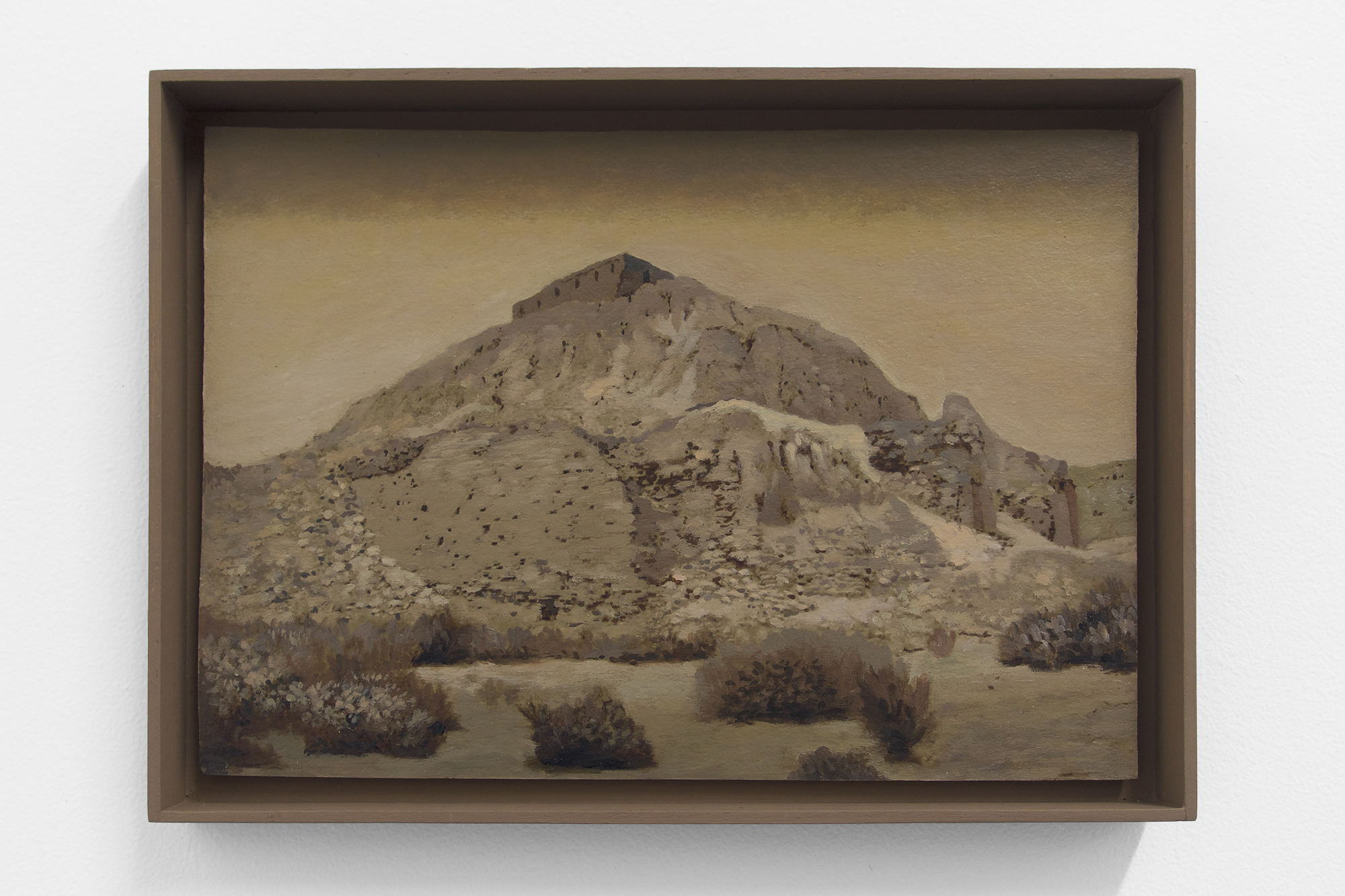
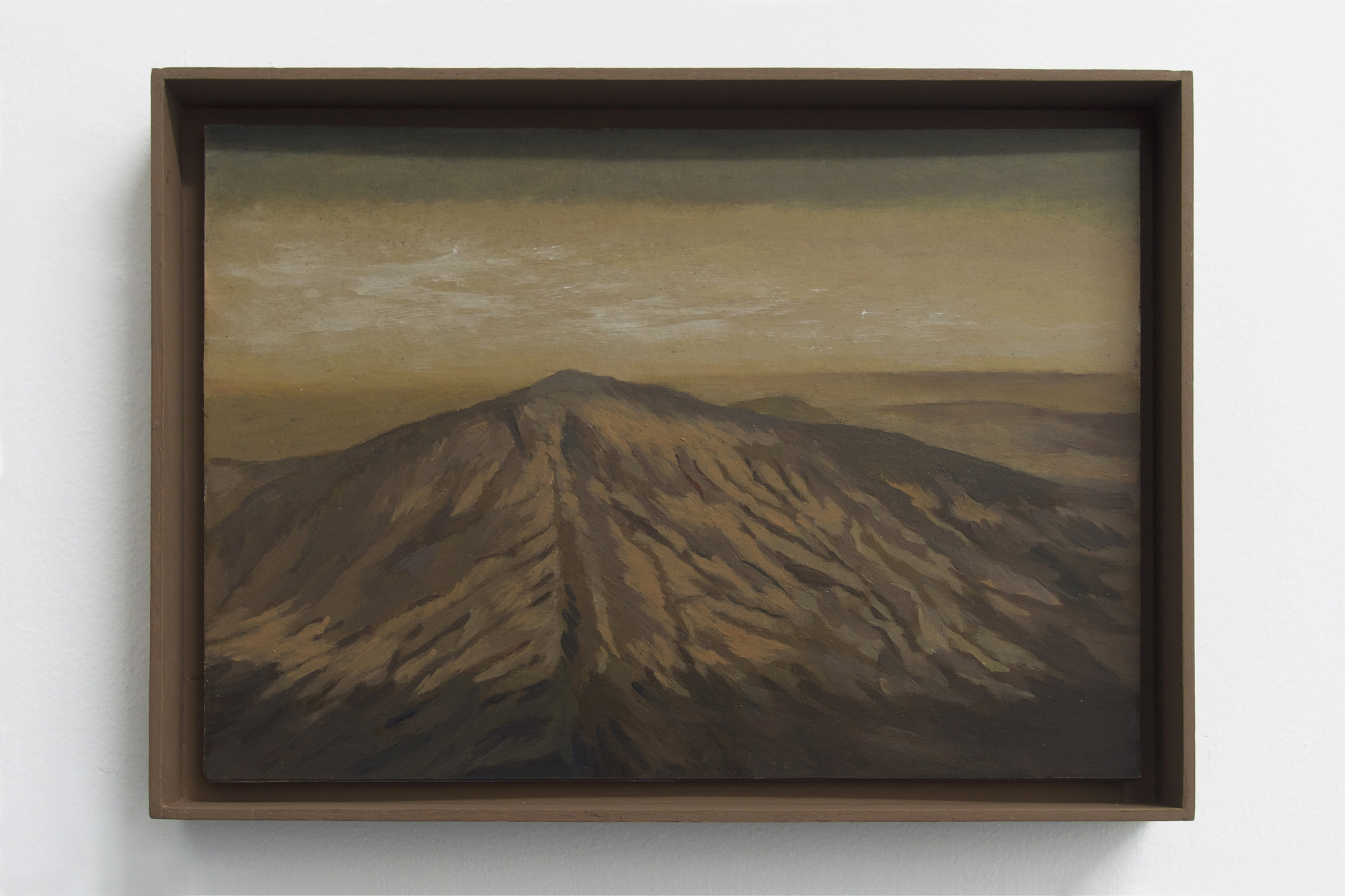
(incl. ‘Tabula Rasa’ #1, #2, #3, #4; ‘Skywriting’ #1, #2, #3, #4, acrylic on paper mounted on masonite, framed 32 x 23 x 3.5cm; ‘Sunrise’, 32″ HD TV, video loop, portable CD player, 4 x speakers, audio loop)
SOLVENT, Sydney
The landscapes in the series ‘Tabula Rasa’ are interpreted stills from a recent documentary about ancient Mesopotamia. They depict historical structures in various states of decay remote and isolated in the desert. The title of the exhibition, The Birth of Language refers to the historical fact that the linguistic, technological and political conglomerations we nominally associate with ‘democracy’, do not originate in Greece, but in what is now Iraq. This includes the first recorded cursive script. Awareness of this, symbolically juxtaposed against representations of the emptiness of the desert as it appears today, not only suggests the long-ago disintegration of a powerful civilization, but the ideological obfuscation of historical knowledge, its colonial rending to dust.
Contrasting with this group of paintings, the series ‘Skywriting’ depicts abstract rocket and missile trails that evince a peculiar ethereal beauty in contrast to their actual function and ultimate material effect. These could also be viewed as a form of pre-, or post- linguistic language expressed in the absence of communication, in this case, diplomacy unilaterally denied by the US imperium. The associated installation in the back gallery, ‘Sunrise’ heightens the sense of pre-, or post- lingual anxiety via simple audio-visual means in a darkened space fomenting a sense of imminent danger. The sound of layered sirens loops while the deflected flashing of the TV monitor connotes lightning and/or explosions.
The Birth of Language warns we should never substitute myth for knowledge. We should expose particularly those myths that serve colonial and imperial purposes. Today these are being desperately reasserted as the US and Western allies furtively ventriloquise the supremacy of Anglo-European culture. Tellingly, this is occurring at the precise historical juncture when the West’s hegemonic power wanes violently in relation to a burgeoning global multipolarity.
.
.
.
.
.

